Say it like you mean it: building a public voice on your terms
What it really means to build a personal brand. Here’s how to show up without selling out.
14 July 2025
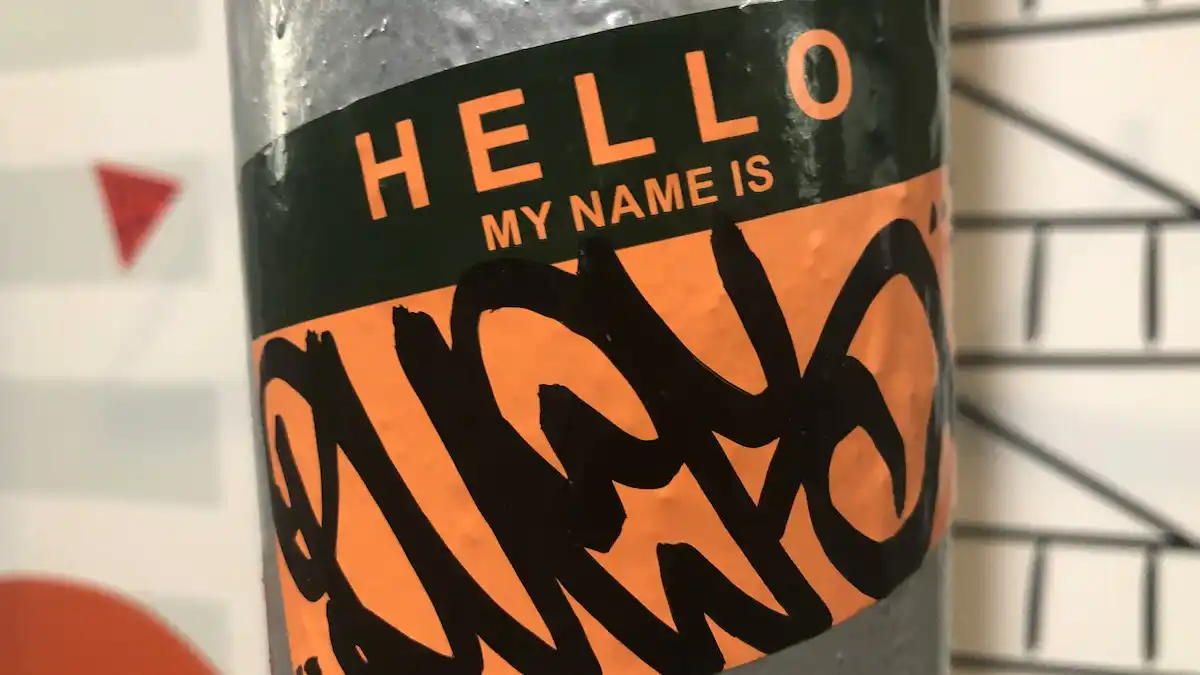
Getting your name out there doesn't have the mean being a vapid sell-out. Photo by Blogging Guide on Unsplash
You’ve probably heard it by now:
- You need a personal brand.
- You should start a podcast.
- Get on LinkedIn.
- Post more.
- Be more visible.
But for a lot of thoughtful, smart people, especially those who’ve built careers on substance rather than self-promotion, that advice rings hollow. Not because they don’t have something to say, but because they’re rightly sceptical of the performative, always-on culture that often surrounds the idea of personal branding. So let’s pause for a moment and ask some better questions.
Do I actually need a personal brand?
It depends. But probably not in the way the term is usually sold.
At its worst, “personal brand” conjures images of curated feeds, catchy taglines, and people turning themselves into products or flogging “wellness” to rubes on Instagram. But at its best, it’s something quieter and more grounded. It’s about clarity.
A personal brand, or whatever term makes you comfortable, is simply your reputation, shaped on purpose. It’s the result of showing up consistently and thoughtfully in your professional or creative world, with a clear sense of what you stand for and how you want to come across. People who earn far more zeroes than me might call it “strategic presence”.
If you’re leading a not-for-profit, building a consultancy, launching a newsletter, or even just speaking publicly more often, you already have a public identity. The question is whether you’re managing it intentionally, or just letting it happen by accident.
Why smart people go quiet online
Many subject-matter experts hold back on pushing their presence because they worry that being visible will make them look self-promotional or shallow. So they say nothing. Or they sanitise their message so much that it loses all texture. And then they wonder why it doesn’t land.
But staying quiet doesn’t protect your reputation; it just leaves it unformed. And trying to be universally acceptable doesn’t make you credible, it makes you forgettable. It’s a sad truism that no matter how hard you try to avoid it, you’ll always piss someone off online. Internet culture is hard-wired for outrage, so you’ll never please all the trolls. Acceptance of that fact is the first step to being interesting, rather than anodyne.
So if you want your ideas to land — or your values to come through — then you need to show up, and do so in ways that reflect who you are. That doesn’t mean shouting. It means being clear, consistent, and connected to something real.
I know my stuff — why don’t I sound confident?
One of the most frustrating things for subject-matter experts is the gap between how much they know and how confidently they come across in interviews, podcasts or presentations.
The problem isn’t a lack of knowledge. It’s often a lack of practice, or a mindset shaped by academia, internal culture, or an over-reliance on jargon. The result? They hedge. They ramble. They over-explain. They don’t sound like the expert they are. There’s a huge disconnect between the articulate and authoritative voice in their head and the uncertain, rambling mess speaking into the microphone.
But let’s be clear, this isn’t a personality flaw. It’s a communication skill, and like all others, it’s one that can be learned. Researchers, executives, founders and campaigners can all transform the way they sound just by shifting how they structure their points, how they pace their delivery, and how they focus on the audience instead of their notes. Confidence on mic or on the page isn’t about being flashy. It’s about clarity and calm, and practice.
So … should you build a personal media presence? Not if it’s going to burn you out or make you feel like a fraud.
But if you’re starting to get asked onto podcasts, doing more presentations, thinking of starting a newsletter, or realising that people should know more about the work you do — then yes. It’s worth investing in your voice. Not to build a brand for its own sake, but to have a way of showing up that feels like you, just a little more focused. It also means that you get to fill a space, rather than someone with inferior ideas.
You don’t need to post every day, and you don’t need a massive following. But you do need to sound like someone who gives a damn about what they’re saying. More than any slogan or strategy, that is what earns attention.
Three ways to show up — without selling out
If you want to be more visible, but on your terms, start here:
1. Lead with your subject matter, not your selfie
People don’t follow you just because you’re online. They follow you because you say something that resonates. You don’t need to invent a persona, you just need to care about the work and let that come through. And if you’re really passionate about your subject (which you very likely are) lean into the passion; let it show through. Be excited!
2. Have a point of view
It’s easy to fall into the trap of being agreeable, but bland opinions don’t travel. You don’t need to be provocative, or create outrage, but you do need to be clear. What do you actually think? Why does it matter? Say that. You’ll inevitably annoy people and attract the “Well, actually” reply guys. They can be blocked.
3. Create before you optimise
Don’t wait for the perfect camera, the ideal newsletter tool, or a 12-month content strategy. Pick a format that suits you, start small, and learn by doing. The clarity will come once you’re in motion. Accept that you’ll make mistakes and be unpolished to begin with. Don’t worry about it.
If this post has got you thinking about how we could help, particularly in terms of building your media presence, email us — we’d love to chat.