What we do
Case studies How we work Who we are Blog Newsletter Get in touch
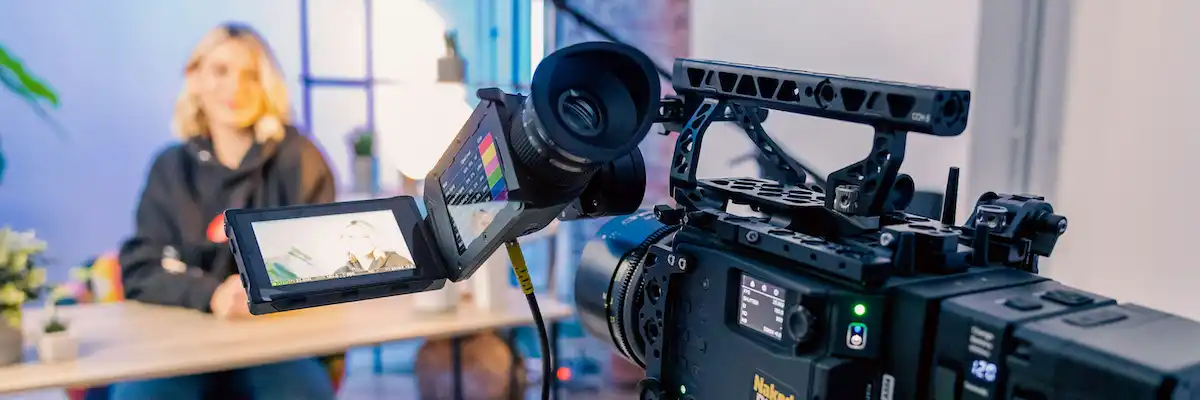
Media training session in Canberra — woman sitting at a desk in front of a camera

Media Training

Media training that makes sense

“Stonefruit’s media training helped me understand how journalists operate, how to prepare for interviews and how to handle tricky conversations.” — Participant, Social Research Centre media training

Feel confident in front of the mic — whether you’re speaking to journalists, staff, or stakeholders. From media interviews to podcasts, webinars and internal briefings, our customised media training workshops help you show up calm, sharp, and in control.

We’re based in Canberra and regularly deliver sessions across the ACT, NSW and Victoria — online or in person. Our sessions are designed for executives, spokespeople and subject matter experts across the private sector, public service and not-for-profit organisations. We work with first-timers as well as seasoned professionals who want to sharpen their delivery or refresh their approach.

What we cover

We give participants a working understanding of how the Australian media operates — and how to engage with it effectively. Each session includes:

Case studies

We design media training around the situations people are actually likely to face — from first interviews to high-pressure questioning. The examples below show how we help participants understand the media, prepare properly, and respond with more clarity and confidence.

Media training for the Social Research Centre

Context: The Social Research Centre engaged us to deliver media training for its CEO, senior leaders, and subject matter experts. Most participants were new to media engagement and needed a clear understanding of how to approach interviews with confidence.

The challenge: While the organisation produces high-quality research, translating that work into clear, effective media communication requires a different skill set. Participants needed to understand not just what to say, but how journalists work, how stories are shaped, and how to respond under pressure.

Our role: We designed and delivered tailored media training that combined practical interview experience with insight into the media landscape.

What we did: Working with each participant, we:

  • explained how journalists operate across different media formats;
  • outlined how research is interpreted and used in news reporting;
  • ran on-camera interview simulations with questions tailored to individual roles;
  • provided detailed feedback on messaging, clarity and delivery.

The training was delivered by two experienced journalists, bringing both print and broadcast perspectives.

Outcome: Participants left with a clearer understanding of the media environment and how to engage with it effectively. Feedback highlighted improved confidence, more concise responses, and a stronger grasp of how to handle difficult questions and prepare for interviews.

Training for senior leaders in a high-profile organisation

Context: We delivered media training for senior managers and C-suite leaders at a large Australian organisation operating in a complex and high-profile environment.

The challenge: Participants were likely to face difficult and potentially adversarial questions on sensitive issues. While some had prior media experience, most were new to interviews and needed to build confidence quickly while preparing for high-pressure scenarios.

Our role: We designed and delivered tailored media training focused on practical interview skills and handling challenging lines of questioning.

What we did: Working with participants, we:

  • provided context on how journalists approach complex and sensitive topics;
  • tailored interview questions to individual roles and likely scenarios;
  • ran on-camera interview simulations based on realistic, high-pressure situations;
  • focused on handling difficult questions with clarity and control;
  • delivered detailed feedback on messaging, tone and delivery.

The training was delivered by two experienced journalists, combining print and broadcast perspectives.

Outcome: Participants developed greater confidence in handling media engagement and a clearer understanding of how to prepare for interviews and respond to difficult questions. The training helped reduce the risk of missteps and shifted how participants viewed media engagement — from something to avoid to something that, when handled well, can help shape how their work is understood.

Conference-based media training for ACFID

Context: We delivered a tailored media training session for the Australian Council for International Development (ACFID) as part of its national conference, designed for professionals working across the development sector.

The challenge: Participants needed practical guidance on how to engage with media on complex and often sensitive issues, but within the constraints of a conference setting without the benefit of one-on-one coaching.

Our role: We designed and delivered a focused training session tailored to the needs of the sector and the format of the event.

What we did: Drawing on newsroom experience, we:

  • explained how journalists approach development and international issues;
  • outlined how stories are shaped across different media formats;
  • provided practical guidance on preparing for interviews and media engagement;
  • focused on handling difficult questions with clarity and control;
  • worked through common scenarios relevant to the sector.

The session was structured to maximise practical value within a group setting.

Outcome: Participants left with a clearer understanding of how to engage with media and how to prepare for interviews in a sector where issues are often complex and closely scrutinised. The session provided a practical foundation that participants could apply in their own roles.

What to expect from your media training

Our standard training format is a half- or full-day session for individuals or small groups. Every session includes a mix of practical exercises and behind-the-scenes insights from two experienced former journalists — one with a background in print, the other in broadcast.

We simulate real interviews using lights, cameras and tailored questions to help participants practise in a realistic setting. Feedback is immediate, practical and grounded in real media dynamics.

We also bring a culturally informed approach to training, drawing on experience working with a wide range of communities and sectors. Our aim is to build confidence, not just capability.

On-camera confidence — even when there’s no journalist in sight

Not all public-facing communication happens in front of a journalist — but that doesn’t mean the pressure’s off.

Today’s leaders are often expected to appear in video updates, present at webinars, speak on podcasts, or address staff and stakeholders via camera or mic. But few are trained to do it well.

This training is for anyone who needs to speak with clarity and presence in a digital or live setting — without hiding behind slides or scripts. We focus on:

The approach is practical, personalised, and grounded in real-world experience — just like our media training.

Whether you’re fronting a CEO update, recording a video explainer, or presenting at a major event, we’ll help you show up with clarity, credibility and control.

Media training outcomes

Coming soon

Online media training — anywhere, anytime

We’re building an interactive online training program that brings our practical, newsroom-tested media skills to your screen — wherever you are.

Find out more about our online media training course

Ready?

Interested in media training that’s actually useful? Whether you’re new to the spotlight or want to sharpen your skills, we’d love to help.

Email us at and we’ll set up a time to talk.