How to pitch properly
Many years ago, when I first tried my hand at freelance writing, I sent out pitch emails to a host of editors. Each one was a generically crafted work of spam.
15 February 2025
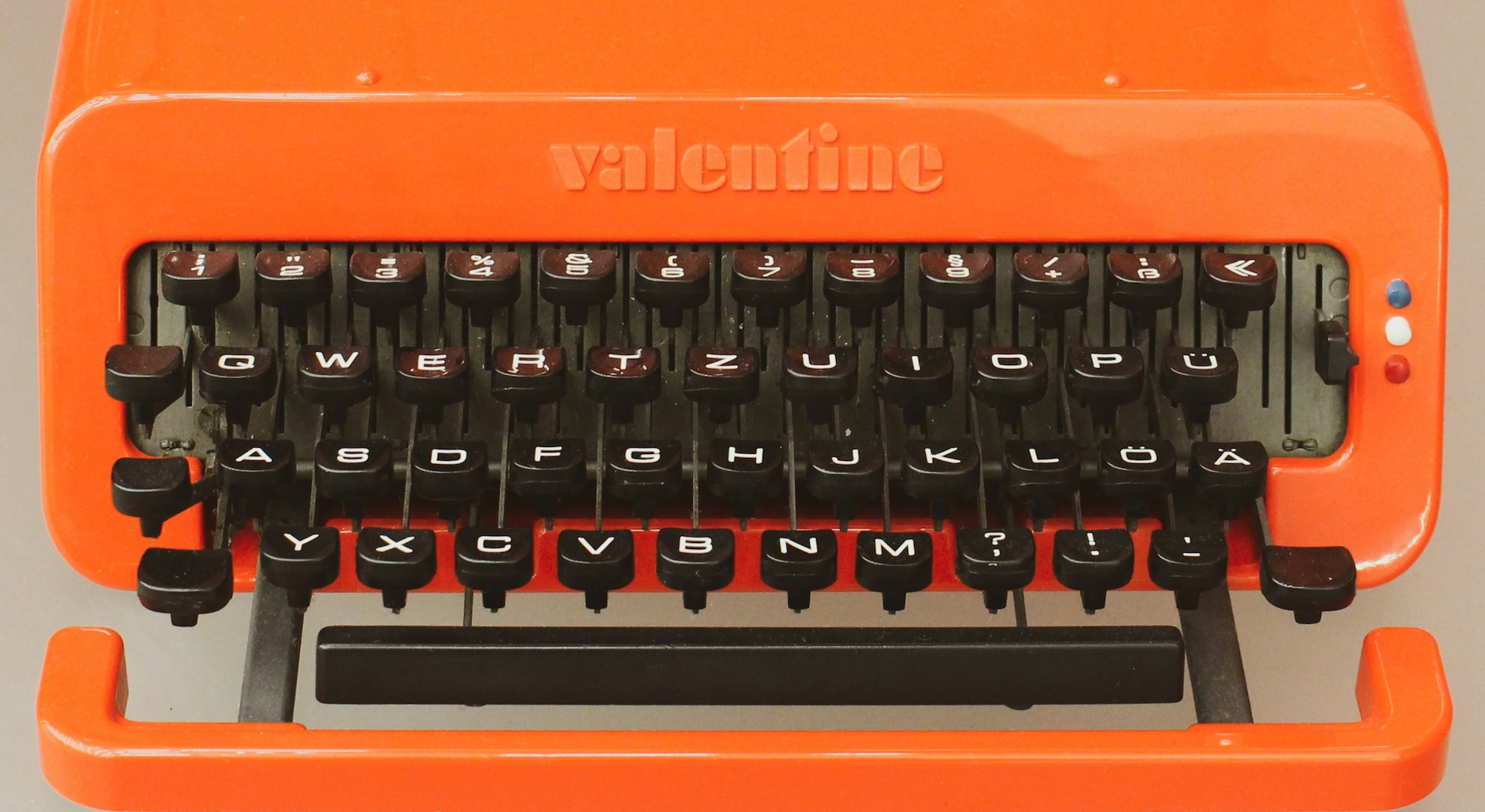
Photo by Sebastien LE DEROUT on Unsplash
To be fair, I’d done a lot of research into the stories I was pitching — I’d pretty much become a subject matter expert in the process. What I hadn’t bothered researching was the publications themselves or the editors. Sure I’d skimmed through a copy of their publication, but that was mostly to get the editor’s contact details from the masthead. (I am well aware that this story may be dating me somewhat.)
Anyway, off went the none-too-carefully-crafted email with a little about me, and why I was a great catch as a freelance contributor, and my pearls of wisdom on some stories that they’d be crazy to not pick up. My only concern was what to do if more than one editor wanted the same story. I’d worry about that bridge when I came to it. Until then, it was time for a well-earned coffee. By the time I returned, I was sure I’d be swimming in commissions.
You know where this is going, right?
My inbox was most decidedly not swimming in replies, but there was a response from one editor. Aha! Eureka! How many pitches has he picked up? The short answer was — precisely zero pitches accepted. What he did want to convey was that I’d probably forgotten to change the salutation when I copied and pasted the email because it was addressed to another editor.
He also graciously offered some advice along the lines of not only checking the basics (like someone’s name) but also their publication and the type of stories they publish. All bar one of my generic pitches were of no interest to his publication, and the one that was of interest had already appeared in their most recent issue — the very one I’d picked up in the newsagent to get his contact details.
Editors don’t need another generic ‘thought leadership’ piece. If your op-ed can be written by AI in five seconds, rethink your angle.
It was an embarrassing error and one I’ve remembered ever since. But it’s an easy mistake to make, even for seasoned professionals. But whether you’re pitching a freelance story, an op-ed, or a news story, the fundamentals are the same:
• Know the publication and its audience
• Make your pitch relevant and timely
• Be clear, sharp, and to the point.
Here are a few ways I’ve collected over the years to avoid nothing but radio silence when you pitch:
Avoid the “delete me immediately” subject line
Your subject line is your elevator pitch and it really needs to get your message across quickly. If your subject line is vague, boring, or pure PR fluff, your email isn’t getting opened.
Bad: “Exciting news about our company’s latest innovation”
Better: “[Exclusive] Data reveals Australian CEOs have no idea how to switch off”
Don’t bury the lede
Plenty of pitches bury the actual point beneath five paragraphs of corporate jargon, mission statements, and self-promotion. For op-eds and media pitches alike, get to the story first — before the editor moves on.
Bad: “At [Company], we believe in innovation. That’s why we’re launching a groundbreaking new initiative to ….”Better: “The real problem with Australia’s climate policy isn’t what you think” (and then get straight into your argument).
Thought leadership needs some thought
Editors don’t need another generic ‘thought leadership’ piece. If your op-ed can be written by AI in five seconds, rethink your angle. Your piece needs to challenge assumptions, offer fresh insights, or start a debate. If it just confirms what everyone already thinks, it won’t get published.
Bad: “The future of work is evolving, and businesses need to adapt.”
Better: “Why hybrid work is failing — and what companies need to do about it.”
Make sure your opinion piece has an opinion Similar to the point above, the whole point of an op-ed is to have a strong, defensible opinion. Too many pieces hedge their bets, trying to please everyone and upset no one. If your piece doesn’t take a clear stance, it’s not an op-ed — it’s a briefing note.
Bad: “AI is changing the workforce. This brings both risks and opportunities, and companies must be ready to adapt.
” Better: “We need to stop panicking about AI stealing jobs — here’s why.”
The “too late to care” pitch
Editors don’t want to run yesterday’s argument. If you’re pitching something that’s already been covered to death, find a new angle or move on. Timeliness matters, but so does freshness.
Bad: “What the Budget means for small businesses” (a week after the Budget has dropped).
Better: “What everyone got wrong about this year’s Budget.”
Keep your pitch tight
An op-ed pitch isn’t the full article. A media pitch isn’t a 2,000-word deep dive. Editors don’t need the whole thing up front — just a reason to commission it.
Bad: A 700-word email that’s basically the full piece.
Better: A three-paragraph pitch with:
• The hook — a sharp opening line that grabs attention.
• The argument — one or two sentences on the key point you’re making.
• Why now? — why this matters at this moment.
• Why you? — a line on why you’re qualified to write it.
I did get better at pitching to editors, but only after I’d put the effort in to research them and their publications (and proofread my emails before sending). And while my freelance writing never reached any great peaks, at least I never had to deal with the embarrassment of emailing the wrong editor again.
Want help crafting the right message, and getting it out there?
Email us — we’d love to chat.